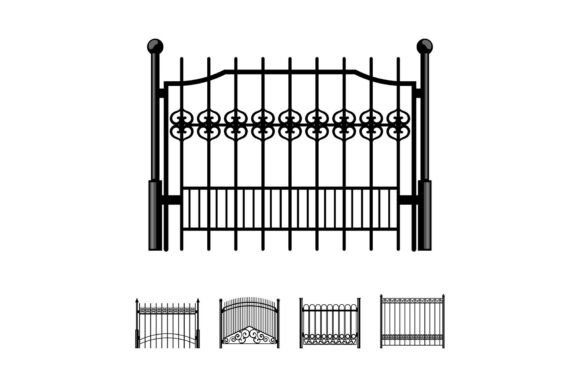
Wrought Iron Ornate Gate and Fence Design
There is a distinct power in the way metal interacts with light, shadow, and space. When you step back from a property line defined by Wrought Iron Ornate Gate and Fence Desig, you are not just looking at a barrier; you are observing a statement of permanence and artistry. Unlike wood, which weathers into softness, or vinyl, which often feels temporary, wrought iron offers a rigid, enduring skeleton that can be manipulated into fluid, organic forms. This duality—strength meeting delicacy—is what makes this design approach so compelling for homeowners, architects, and designers alike.
The appeal lies in the versatility of the medium. A single piece of heated iron can be twisted, curled, hammered, and welded to create everything from the aggressive spikes of a security perimeter to the gentle scrolls of a garden entrance. For those aged 20 to 50 who are navigating the balance between modern minimalism and classic elegance, understanding how to leverage these designs can transform a mundane boundary into a focal point of architectural interest. It is about more than just keeping people out; it is about defining the character of the space within.
The Intersection of Security and Artistry
One of the most common misconceptions about ornate fencing is that beauty compromises safety. In reality, the history of wrought iron is rooted in defense. The material's tensile strength allows for vertical bars spaced closely enough to deter intruders while remaining open enough to maintain visibility. This transparency is a crucial psychological element. A solid wall creates a sense of isolation, whereas an ornate gate invites curiosity while maintaining a clear boundary.
When designing for security, the goal is to integrate protection without creating a fortress-like atmosphere. Consider the use of varying bar heights or the incorporation of anti-climb features like spear points that are integrated seamlessly into the decorative scrollwork. For urban properties where street presence matters, a Wrought Iron Ornate Gate and Fence Desig can serve as a silent guardian. It signals that the property is valued and protected, yet it does so with a grace that concrete or chain-link simply cannot achieve.
- Visibility: Open designs allow residents to see approaching visitors, enhancing situational awareness.
- Deterrence: Sharp finials and sturdy construction discourage unauthorized entry attempts.
- Aesthetic Value: High-quality craftsmanship increases curb appeal, which can directly impact property value.
Exploring Diverse Design Styles
The term "ornate" covers a vast spectrum of styles, each suited to different architectural contexts. There is no one-size-fits-all approach. The key is to align the fence design with the existing architecture of the home or the landscape of the site.
Classic Victorian and French Scrollwork
For homes with historical significance or traditional facades, the intricate loops and floral motifs of Victorian or French styles are ideal. These designs often feature heavy, hand-forged elements that mimic vines, leaves, and acanthus patterns. The complexity here serves a dual purpose: it honors the craftsmanship of the past and adds a layer of visual richness that draws the eye upward. When executed correctly, these gates act as grand entrances, framing the driveway or walkway like a museum exhibit.
Modern Geometric Minimalism
Contemporary architecture demands a different interpretation. Here, the ornate nature shifts from floral flourishes to precise geometric patterns. Think of interlocking squares, sharp angles, and repetitive linear motifs. This style relies on the rhythm of the pattern rather than the density of the decoration. A modern Wrought Iron Ornate Gate and Fence Desig might use laser-cut panels combined with traditional forging to create a sleek, monochromatic look that complements glass and steel structures.
Rustic and Organic Forms
In rural or natural settings, the design should feel less manufactured and more grown. Twisted rods, irregular curves, and hammered textures evoke the feeling of blacksmithing done by hand. This style works exceptionally well for gardens, estates, or properties surrounded by mature trees. The irregularity of the lines helps the fence blend into the foliage, making the structure feel like a natural extension of the environment rather than an imposition upon it.
Practical Applications for Different Users
Whether you are a homeowner planning a renovation, a small business owner securing a commercial lot, or a designer curating a portfolio, the application of these principles varies based on your specific goals.
For Homeowners and Property Owners
Your primary objective is likely a blend of privacy, security, and aesthetic cohesion. Start by assessing the flow of your property. Does the front yard need a welcoming gesture, or does the rear garden require a more secluded enclosure? You might choose a lower, highly decorative fence for the front to maintain neighborhood connectivity, while opting for taller, denser sections at the back for privacy. Remember that consistency is key; mixing too many disparate styles can make the property look disjointed. Stick to a unified theme, even if the height or density changes across different zones.
For Architects and Landscape Designers
For professionals, the challenge is integration. How does the fence interact with the hardscaping, lighting, and plant life? Use the fence as a canvas for vertical gardening. Trellis-style wrought iron sections can support climbing roses or ivy, effectively turning the boundary into a living wall. Additionally, consider the play of light. At night, the shadows cast by an ornate gate can create a dramatic effect on the pavement or lawn. Collaborate with fabricators early in the process to ensure custom details align with the structural integrity of the project.
For Small Business Owners
Commercial properties benefit from the brand-defining power of a unique entrance. A distinctive gate acts as a logo in physical form. It tells customers that attention to detail is a priority before they even enter the building. For restaurants, boutiques, or offices, a custom-designed gate can set the tone for the entire experience. Ensure that the design accommodates foot traffic and delivery vehicles efficiently. Accessibility is non-negotiable; automatic opening mechanisms can be integrated into ornate designs without sacrificing their visual appeal.
Ensuring Clarity and Longevity
Creative vision must always be grounded in practical execution. An ornate design that rusts within a year or sags under its own weight fails its primary function. To keep results effective and organized, focus on three pillars: material quality, finish, and maintenance.
First, insist on high-grade wrought iron or steel that has been properly treated against corrosion. The "wrought" aspect implies a specific type of working, but modern manufacturing often uses mild steel that mimics the look. Ensure the fabrication process includes thorough cleaning and priming before painting. Second, the finish is critical. Powder coating offers superior durability compared to traditional paint, resisting chipping and fading. Choose colors that complement the surroundings; matte blacks and deep charcoal tones are timeless, while metallic finishes can add a touch of luxury.
Finally, plan for maintenance. Even the best coatings will eventually wear. Establish a routine inspection schedule to check for loose bolts, chips in the paint, or signs of rust. Addressing minor issues immediately prevents them from becoming structural problems. By treating the fence as a long-term investment rather than a quick fix, you ensure that the Wrought Iron Ornate Gate and Fence Desig remains a source of pride and functionality for decades.
Ultimately, the decision to install an ornate metal fence is a commitment to quality. It is a choice to elevate the ordinary into the extraordinary. Whether you are seeking to secure a boundary, define a property line, or simply add a touch of architectural drama, the possibilities are as limitless as the imagination of the designer. With careful planning and a respect for the material, you can create a structure that stands the test of time, offering both protection and beauty in equal measure.