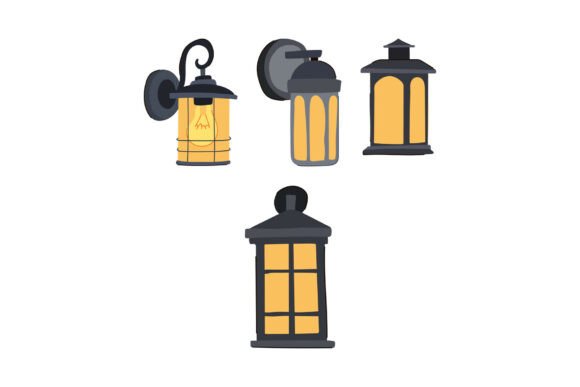
Hand Drawn Exterior Lamps Illuminating L: A Blueprint for Warmth and Character
In the world of architectural visualization and landscape design, there is a distinct difference between a rendering that looks realistic and one that feels alive. While photorealism has its place in technical documentation, it often lacks the soulful narrative required to sell a vision or evoke an emotional connection. This is where Hand Drawn Exterior Lamps Illuminating L steps into the spotlight. These artistic representations are not merely illustrations; they are functional tools that communicate atmosphere, warmth, and tradition in ways that standard 3D models sometimes struggle to achieve.
The concept of using hand-drawn aesthetics for exterior lighting fixtures has gained significant traction among architects, interior designers, and homeowners planning renovations. By focusing on a specific set of outdoor lanterns and lamps rendered in a decorative drawing style, professionals can highlight the unique interplay of light and shadow without getting bogged down in the minutiae of texture mapping. The result is a visual language that speaks directly to the human imagination, suggesting a cozy evening on a porch or a romantic garden dinner with just a few strokes of ink and wash.
The Artistic Advantage of Decorative Drawing Styles
When we discuss Hand Drawn Exterior Lamps Illuminating L, we are referring to a specific aesthetic approach where the lines are expressive rather than rigid. Unlike the sterile perfection of CAD drawings, hand-drawn illustrations capture the imperfections that make a space feel inviting. The "L" in this context often denotes a specific collection or a layout configuration where these lamps are arranged to guide the eye through a landscape, illuminating pathways, entryways, and focal points with a soft, glowing presence.
This decorative style allows for a level of abstraction that focuses on the essence of the light source. Instead of detailing every screw, hinge, and glass pane, the artist emphasizes the glow—the way the light spills onto a stone patio or filters through the leaves of a nearby oak tree. This technique is particularly effective when showcasing traditional ambiance. It bridges the gap between the technical requirements of a construction plan and the emotional experience of living in the space.
For clients who may not be able to visualize a finished project from blueprints alone, these drawings serve as a compelling bridge. They transform a list of specifications into a story. A simple sketch of a wrought-iron lantern hanging above a front door, rendered with warm yellow washes, instantly conveys a sense of welcome and security. It tells the viewer that this is a home where people gather, where evenings are spent outdoors, and where safety meets beauty.
Capturing the Warm Glow in Static Media
One of the most challenging aspects of architectural illustration is representing light. In a photograph, light is captured by a sensor; in a 3D render, it is calculated by algorithms. In a hand-drawn piece, light is interpreted by the artist. When creating Hand Drawn Exterior Lamps Illuminating L, the artist must understand how light behaves in different environments. Is it a harsh, direct beam? Or is it a diffused, ambient glow?
The "warm glow" mentioned in the design brief is achieved through careful color selection and layering. Artists often use watercolors, colored pencils, or digital brushes that mimic these traditional mediums to create gradients that suggest heat and radiance. The key is to avoid making the light look like a flat shape. Instead, the illumination should appear to emanate from within the fixture, casting soft shadows and highlighting textures in the surrounding environment.
This approach is invaluable for projects aiming for a traditional or rustic aesthetic. Modern LED fixtures can sometimes look cold or clinical in a rendering if not properly configured. However, a hand-drawn interpretation can soften the edges, adding a nostalgic quality that aligns perfectly with historic preservation projects or countryside retreats. It suggests that the technology is serving the architecture, not dominating it.
Integrating Lanterns into Architectural Embellishment
Beyond their function as illustrative tools, the designs represented by Hand Drawn Exterior Lamps Illuminating L offer practical insights into architectural embellishment. The choice of lamp style—whether it is a classic post lantern, a wall-mounted sconce, or a hanging pendant—is a critical decision in defining the character of a building's exterior. These drawings help stakeholders visualize how different styles interact with various architectural elements.
Consider a Victorian-style home. The intricate ironwork and stained glass details require lighting that complements rather than competes with them. A hand-drawn set of outdoor lanterns can show how a specific fixture scales against the facade. Does the lantern look too small and get lost in the detail? Or does it overpower the entrance? The illustrative nature of these drawings allows for quick iterations and adjustments, enabling designers to experiment with proportions and placements before any physical installation begins.
Furthermore, the "set" aspect of these illustrations is crucial. Exterior lighting is rarely about a single fixture; it is about a cohesive system. A well-planned set of lamps creates a rhythm along a driveway or a path. The drawings illustrate this flow, showing how the light connects different zones of the property. This continuity is essential for both safety and aesthetics. It ensures that guests are guided safely while enjoying a visually pleasing journey through the landscape.
- Scale and Proportion: Hand drawings allow for exaggerated or adjusted scales to test how a fixture fits within a specific architectural niche.
- Material Context: Artists can easily depict how the metal finish of a lamp (brass, copper, black iron) interacts with brick, stone, or wood siding.
- Light Distribution: Visualizing the spread of light helps in determining the number of fixtures needed to eliminate dark spots without causing glare.
Modern Workflows and Traditional Aesthetics
In today's fast-paced design industry, workflows have become increasingly digitized. Yet, there is a growing appreciation for the human touch in the final presentation. Many firms now integrate hand-drawn elements into their digital presentations to add a layer of sophistication and creativity. The Hand Drawn Exterior Lamps Illuminating L concept fits seamlessly into this hybrid workflow.
Designers can use high-resolution scans of hand-drawn sketches as overlays in their digital plans. This technique adds depth and character to otherwise flat diagrams. It also serves as a powerful marketing tool. When presenting a proposal to a client, a portfolio filled with crisp, clean renders is impressive, but a portfolio that includes evocative, hand-drawn studies of lighting schemes stands out. It demonstrates a commitment to artistry and attention to detail.
Moreover, this approach is highly adaptable to various industries. Landscape architects use these drawings to propose lighting plans for public parks and gardens. Interior designers extend their expertise to outdoor living spaces, using these illustrations to sell the idea of extending the living room into the backyard. Even real estate developers utilize these visuals to market properties under construction, helping potential buyers envision the lifestyle that awaits them.
Practical Considerations for Selection and Adoption
While the artistic merit of these illustrations is undeniable, they also serve a practical purpose in the decision-making process. Before choosing a specific set of outdoor lanterns, several factors must be considered. The hand-drawn representation can help clarify these considerations early in the design phase.
First and foremost is the intended mood. Are you looking for dramatic, high-contrast lighting to highlight architectural features? Or do you prefer a subtle, ambient glow that encourages relaxation? The style of the drawing can dictate the mood of the proposed lighting scheme. A sketch with heavy shading and bright highlights might suggest a more dramatic effect, while soft, blended colors indicate a gentle, welcoming atmosphere.
Secondly, consider the maintenance and durability implied by the design. Hand-drawn illustrations often feature classic materials like cast iron or brass. While beautiful, these materials require regular maintenance to prevent rust and tarnish. The drawing can be annotated or accompanied by notes explaining the upkeep required for such fixtures. This transparency builds trust with the client and ensures that the final installation remains beautiful over time.
Another critical factor is energy efficiency. Modern lighting technology has advanced significantly, with LEDs offering long lifespans and low energy consumption. However, achieving a "traditional" look with modern tech can be tricky. Some LED bulbs can appear too cool or artificial. The hand-drawn style allows the designer to simulate the warm color temperature (measured in Kelvin) that is characteristic of incandescent bulbs, ensuring that the client understands the expected visual outcome even if the underlying technology is modern.
Finally, the context of the environment cannot be overlooked. A lantern that looks perfect in a suburban setting might feel out of place in an urban alleyway or a rural farmstead. The versatility of the hand-drawn medium allows artists to place the same fixture in multiple contexts quickly. This comparative analysis helps clients make informed decisions based on how the lighting will actually perform in their specific environment.
Recommendations for Designers and Homeowners
For those looking to incorporate Hand Drawn Exterior Lamps Illuminating L into their projects, the first step is to define the narrative you wish to tell. Do you want to emphasize history, modernity, or nature? Once the theme is established, select a drawing style that complements it. If the project is a historic restoration, opt for detailed, ink-heavy sketches that mimic old blueprints. For a contemporary garden, loose, watercolor-style washes might be more appropriate.
It is also advisable to work with artists or software tools that specialize in lighting effects. Not all illustrators understand the physics of light, which can lead to unrealistic depictions. Look for portfolios that demonstrate a strong grasp of shadows, reflections, and color temperature. The goal is to create an image that feels authentic, even if it is stylized.
Lastly, remember that these drawings are a starting point, not the final destination. Use them to spark conversation and refine ideas. They should be part of a collaborative process where feedback loops ensure that the final lighting design meets both the aesthetic and functional needs of the project. By embracing the charm and utility of hand-drawn exterior lamps, designers can create spaces that are not only well-lit but also deeply resonant with the people who inhabit them.