Geometric Terrarium Pendant and Small Decor: A Practical Guide to Implementation
The integration of Geometric Terrarium Pendant and Small De into interior design projects represents a shift from passive decoration to active spatial planning. These items are not merely ornaments; they are functional vessels that require specific preparation, maintenance, and strategic placement to achieve their intended aesthetic and atmospheric goals. For professionals managing office environments, entrepreneurs curating brand spaces, or hobbyists refining personal workflows, understanding the mechanics of these glass containers is essential for successful execution.
This guide explores how to approach the selection, installation, and long-term management of geometric terrarium pendants and small decorative glass containers. By treating these objects as integral components of a broader design process, users can ensure consistency, quality control, and lasting visual impact.
Defining the Role in Spatial Workflows
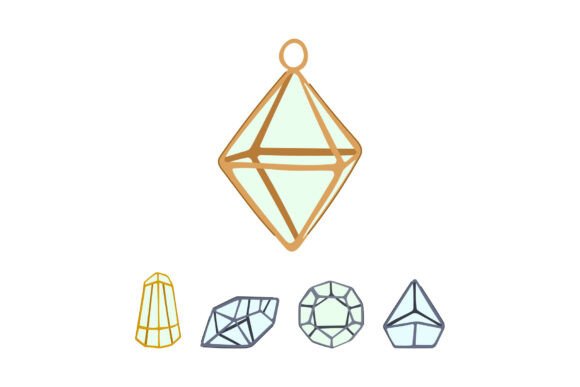
Before purchasing or installing any glass enclosure, it is critical to define its function within the existing environment. The Geometric Terrarium Pendant and Small De category encompasses transparent enclosures designed to house small plants, dried botanicals, or curated decorative objects. Their primary value lies in their ability to create a controlled micro-environment while maintaining visual lightness through minimalist design.
In a professional workflow, these containers serve as focal points that break up large visual fields without obstructing sightlines. Unlike heavy furniture or opaque decor, geometric glass pendants allow light to pass through, preserving the openness of a room. This characteristic makes them particularly effective in open-plan offices, retail displays, or home studios where maximizing natural light is a priority. The "small de" aspect refers to the versatility of smaller units that can be clustered or used individually to add texture and depth to shelves, desks, or entryways.
Understanding this definition helps in the planning phase. When mapping out a renovation or a refresh project, these items should be categorized alongside lighting fixtures and surface treatments rather than just general accessories. This classification ensures they are accounted for in budget allocations, procurement lists, and installation schedules.
Pre-Project Planning and Compatibility Checks
Successful implementation begins with rigorous preparation. Before acquiring a Geometric Terrarium Pendant, one must assess the compatibility of the space with the requirements of the container. This involves evaluating structural integrity, lighting conditions, and maintenance access.
- Structural Assessment: For pendant models, verify the ceiling load capacity and the availability of appropriate mounting hardware. Glass has weight, and geometric shapes often have uneven centers of gravity. Ensuring the suspension system is robust prevents safety hazards and ensures the piece hangs level.
- Lighting Analysis: Determine if the location receives direct sunlight, indirect light, or relies solely on artificial sources. Some plants thrive in bright, filtered light, while others prefer low-light conditions. The transparency of the glass amplifies heat, so placing a terrarium in a hot, sun-drenched window may kill the contents quickly.
- Access and Maintenance: Consider the height and reachability of the installation. A high-hanging pendant requires a plan for watering and cleaning. If the design includes a removable lid or opening mechanism, test its usability before finalizing the plant selection.
Compatibility also extends to the surrounding decor. The minimalist design of geometric glass works best when paired with clean lines and uncluttered surfaces. In a chaotic or overly ornate environment, the clarity of the terrarium may get lost. Conversely, in a stark, industrial setting, the organic elements inside the glass provide necessary warmth and softness. This balance is a key decision point during the conceptualization stage of any design project.
Execution: Installation and Curation Strategies
Once the planning phase is complete, the execution phase focuses on the physical assembly and curation of the terrarium. This stage requires precision and attention to detail to ensure the final outcome matches the initial vision.
Selecting the Contents
The choice of what goes inside the Geometric Terrarium Pendant and Small De is as important as the container itself. For living plants, succulents, air plants, and small ferns are ideal candidates due to their low water requirements and compact growth habits. These species align well with the limited volume of small decorative containers. For non-living arrangements, consider using dried moss, stones, crystals, or miniature figurines. These options eliminate the need for watering but require dusting protocols.
When curating a collection, aim for a cohesive color palette and textural variety. The geometric shape of the glass acts as a frame; the contents should complement the angles and facets of the vessel. Avoid overcrowding. The beauty of these designs lies in negative space. A single, well-placed specimen often creates a more powerful visual statement than a cluttered arrangement.
Installation Techniques
Installing a hanging geometric terrarium requires a methodical approach. Start by marking the mounting point precisely, ensuring it is centered relative to the furniture or architectural feature below. Use a stud finder for wall mounts or consult a professional for ceiling installations involving heavy loads. Once suspended, adjust the chain or cord length to achieve the desired visual height. The goal is to position the terrarium at eye level or slightly above, allowing viewers to appreciate the details inside without straining their necks.
For desktop or shelf-based small decor units, stability is paramount. Ensure the base is flat and secure. If the unit is glass, place it away from high-traffic areas where it might be knocked over. Grouping multiple small units can create a dynamic display, but maintain consistent spacing between them to preserve the minimalist aesthetic.
Integration with Broader Systems
The utility of the Geometric Terrarium Pendant and Small De extends beyond aesthetics; it interacts with other systems within a workspace or home. These include lighting systems, climate control, and organizational workflows.
In terms of lighting, these glass containers can act as diffusers. When placed near an overhead light source, the facets of the geometric glass refract light, creating subtle patterns on surrounding walls and floors. This effect can enhance the ambiance of a meeting room or a creative studio. However, it requires coordination with the lighting team to ensure the bulbs used do not generate excessive heat that could damage the glass or the contents.
From an organizational perspective, these containers can serve as functional tools. In a desk setup, a small glass terrarium can hold paper clips, notes, or small tech accessories, keeping the workspace tidy while adding a touch of nature. This dual functionality supports productivity by reducing visual clutter and providing a calming focal point during intense work sessions.
Furthermore, these items can be integrated into branding strategies for businesses. A reception area featuring custom-arranged geometric terrariums can communicate values of sustainability, precision, and modernity. The transparency of the glass suggests openness and honesty, traits that many organizations wish to project. When used consistently across different locations, these decor elements become part of a recognizable brand identity.
Maintenance and Long-Term Quality Control
Sustaining the quality of a Geometric Terrarium Pendant and Small De requires a defined maintenance routine. Without regular care, the glass can become cloudy, and the contents may degrade, undermining the overall design intent.
- Cleaning Protocols: Establish a schedule for cleaning the exterior glass. Dust accumulation dulls the transparency and diminishes the light-refracting properties. Use a microfiber cloth and a mild glass cleaner suitable for delicate surfaces. For hard-to-reach hanging units, a telescopic duster or a specialized cleaning tool may be necessary.
- Plant Health Monitoring: If the terrarium contains living plants, monitor soil moisture levels regularly. Overwatering is a common pitfall in enclosed glass containers, leading to root rot. Check condensation levels; excessive fogging indicates too much humidity. Adjust watering frequency based on seasonal changes and indoor temperature fluctuations.
- Inspection for Damage: Periodically inspect the glass for chips, cracks, or stress fractures. Geometric shapes can have sharp edges that are prone to chipping if bumped. Replace damaged units immediately to prevent injury and maintain the professional appearance of the space.
Long-term use also involves adaptability. As trends change or business needs evolve, the contents of the terrarium can be swapped out. This modularity allows the decor to remain fresh without requiring the replacement of the entire vessel. This flexibility is a significant advantage in dynamic environments like co-working spaces or event venues.
Optimizing Outcomes Through Strategic Use
To maximize the return on investment for Geometric Terrarium Pendant and Small De, focus on strategic placement and consistent application. Do not treat these items as afterthoughts. Instead, integrate them into the initial design brief. Consider how they contribute to the flow of movement, the distribution of light, and the psychological comfort of the occupants.
For entrepreneurs and small business owners, these containers offer a cost-effective way to elevate the perceived value of a space. A few well-chosen pieces can transform a generic office into a thoughtfully designed environment that impresses clients and inspires employees. The key is to select high-quality glass with precise geometry, as poor craftsmanship will detract from the minimalist appeal.
Ultimately, the successful deployment of geometric terrariums depends on a balance of art and science. It requires an understanding of botany, physics, and design principles. By approaching the process with a structured mindset—planning carefully, executing with precision, and maintaining diligently—users can harness the full potential of these transparent enclosures. Whether used to showcase a rare plant, organize a workspace, or simply add a touch of elegance, the Geometric Terrarium Pendant and Small De remains a versatile asset in any design toolkit.