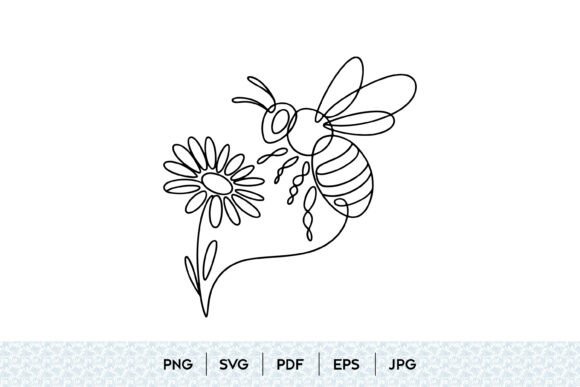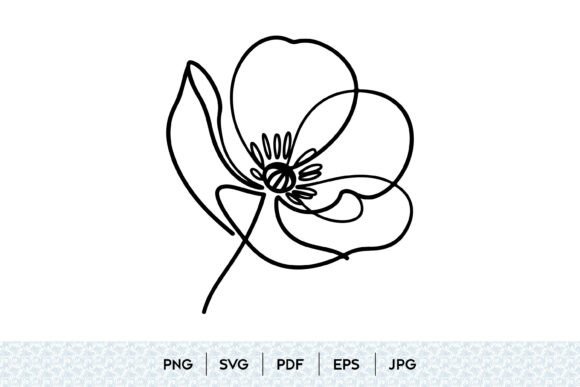
Elevating Brand Identity with Minimalist One Line Flower Vector Art
In the rapidly evolving landscape of digital design, clarity and elegance have become the ultimate currencies. As visual noise increases across social media feeds, websites, and marketing materials, designers and entrepreneurs are increasingly turning to Minimalist One Line Flower Vector Art as a solution that balances aesthetic appeal with functional versatility. This specific style of illustration, characterized by continuous, unbroken strokes that capture the essence of botanical forms, represents more than just a fleeting trend; it is a fundamental shift in how we communicate beauty, simplicity, and sophistication in the modern era.
For professionals ranging from freelance illustrators to corporate brand managers, understanding the power of this art form is essential. It offers a unique intersection of traditional botanical illustration and modern vector technology, providing assets that are not only visually striking but also technically robust for various applications. Whether you are designing a logo for a wellness startup, creating packaging for an organic skincare line, or curating wall art for a boutique hotel, the principles behind one-line floral designs offer a strategic advantage in capturing audience attention.
The Essence of Continuous Line Botanical Illustration
Minimalist One Line Flower Vector Art is defined by its constraint: the entire image is created using a single, continuous stroke without lifting the pen or stylus from the surface. This technique forces the artist to distill the subject down to its most critical lines, removing unnecessary details while retaining the recognizable character of the flower. The result is an abstract yet instantly identifiable representation of nature that feels both handcrafted and digitally precise.
This approach differs significantly from traditional clipart or complex raster images. Where standard illustrations often rely on shading, gradients, and intricate layering to create depth, one-line art relies on the rhythm and flow of the line itself. The negative space becomes just as important as the ink, allowing the viewer's imagination to fill in the gaps. For brands looking to convey values such as purity, mindfulness, and natural origins, this stylistic choice resonates deeply with contemporary consumer psychology.
Why the Market is Shifting Toward Simplicity
The surge in popularity for minimalist flower designs is not accidental; it mirrors broader shifts in consumer behavior and lifestyle trends. In a world saturated with information and high-definition imagery, audiences are experiencing visual fatigue. There is a growing preference for "less is more," a philosophy that permeates everything from interior design (the rise of Japandi and Scandinavian styles) to user interface design (flat design and clean typography).
Furthermore, the global focus on sustainability and wellness has elevated the status of botanical imagery. Flowers are no longer just decorative elements; they are symbols of growth, resilience, and connection to the earth. However, consumers today want these symbols presented in a way that feels modern and uncluttered. Minimalist One Line Flower Vector Art perfectly bridges this gap, offering a fresh take on classic floral motifs that aligns with the eco-conscious and mindful movements dominating the market.
Technical Versatility for Professional Workflows
Beyond aesthetics, the practical utility of these assets cannot be overstated. When acquiring line art flower resources, professionals require formats that support scalability and adaptability. A high-quality package typically includes multiple file types—such as SVG, EPS, PDF, JPG, and PNG at 300 ppi—to ensure compatibility across every stage of a creative workflow.
- SVG and EPS Files: These vector formats are indispensable for branding and print production. Because they are resolution-independent, a floral logo designed in these formats can be scaled from a small business card icon to a massive billboard without any loss of quality. This scalability is crucial for entrepreneurs who need their visual identity to remain consistent across diverse mediums.
- PNG and JPG Files: For digital marketers and social media managers, raster files like PNG (with transparent backgrounds) and high-resolution JPGs are vital. They allow for quick integration into web banners, Instagram posts, and email newsletters without the need for complex editing software.
- PDF Formats: Ideal for print-on-demand services and professional printing houses, PDF files preserve the vector data and color profiles necessary for crisp, professional output.
This multi-format availability streamlines the production process. Instead of spending hours converting files or redrawing assets for different platforms, creators can immediately deploy the same modern floral design across their entire ecosystem. This efficiency is particularly valuable for freelancers managing tight deadlines and agencies juggling multiple client projects simultaneously.
Applications Across Industries
The adaptability of continuous line drawing extends far beyond simple decoration. In the fashion industry, these designs are frequently used for floral tattoo design concepts and textile prints, where the clean lines translate beautifully onto fabric and skin. The delicate nature of the artwork adds a touch of elegance to clothing lines that aim for a bohemian or sophisticated aesthetic.
In the wedding and event planning sector, wedding floral arrangements often incorporate one-line art for invitations, signage, and cake toppers. The style conveys a sense of romance and timelessness without appearing dated or overly ornate. Similarly, in the home decor market, printable flower art and framed wall art design featuring these outlines have become staples for modern interiors, offering a customizable way for homeowners to inject personality into their spaces.
Tech companies and startups are also leveraging this style for app icons and website graphics. An abstract flower rendered in a single line can serve as a memorable favicon or loading animation, reinforcing a brand's commitment to innovation and simplicity. The ability to animate these vector paths further enhances their utility in digital storytelling, allowing the flower to "bloom" on screen as a dynamic element.
Strategic Integration for Brand Growth
For entrepreneurs and marketers, integrating Minimalist One Line Flower Vector Art into a brand strategy requires more than just selecting a pretty image. It involves understanding how the visual language supports the brand narrative. The fluidity of the line suggests movement and flexibility, qualities that are highly desirable in today's agile business environment. It signals that a brand is adaptable, forward-thinking, and attuned to the nuances of human experience.
Consider the impact on user engagement. In digital advertising, images with lower visual complexity often load faster and are processed more quickly by the brain. A simple flower outline can communicate a message instantly, reducing cognitive load and increasing the likelihood of conversion. This is particularly effective in mobile-first strategies where screen real estate is limited and attention spans are short.
Moreover, the handmade feel of hand drawn flower illustrations creates an emotional connection that purely geometric or AI-generated shapes often lack. Even when digitized, the imperfections and organic curves of the line suggest human creativity and care. This authenticity is a powerful differentiator in a marketplace where consumers are increasingly skeptical of mass-produced content.
Future-Proofing Your Creative Assets
As we look toward the future of design, the principles underlying minimalist botanical art are likely to endure. While specific trends may come and go, the fundamental human desire for clarity and connection to nature remains constant. Investing in high-quality, versatile vector assets ensures that your creative library remains relevant regardless of shifting design fads.
The evolution of technology will only enhance the potential of these assets. With advancements in AR (Augmented Reality) and interactive web design, static flower contour images can be transformed into immersive experiences. Imagine a customer scanning a product label to see a blooming flower animation unfold on their phone screen, all derived from the same original vector path. The foundation laid by minimalist line art makes such innovations possible.
For creators and businesses alike, the key is to view Minimalist One Line Flower Vector Art not merely as a graphic element, but as a strategic tool. It is a vehicle for expressing brand values, enhancing user experience, and connecting with audiences on a deeper level. By embracing the elegance of the single line, professionals can cut through the clutter and create work that is both timeless and distinctly modern.
Whether you are crafting a new logo, designing a packaging suite, or simply seeking to refresh your visual portfolio, the inclusion of these elegant, continuous line illustrations offers a pathway to greater impact. In the end, the most powerful designs are often those that say the most with the least, proving that sometimes, a single line is all it takes to make a lasting impression.