Different Pairs of Classic Western Boots: A Strategic Approach to Country Fashion
For professionals, creators, and entrepreneurs who value both aesthetics and functionality, Different Pairs of Classic Western Boots represent more than just a footwear trend. They are a versatile asset in a curated wardrobe that demands consistency, quality, and adaptability. Whether you are navigating a corporate office, managing a creative studio, or overseeing field operations, the selection and integration of these boots into your daily routine require a methodical approach. This guide explores how to plan, execute, and maintain a collection of western-style boots that feature distinctive colors, pointed toes, and intricate decorative stitching, ensuring they serve as reliable tools for your personal brand and professional workflow.
Defining the Asset: Characteristics of Classic Western Boots
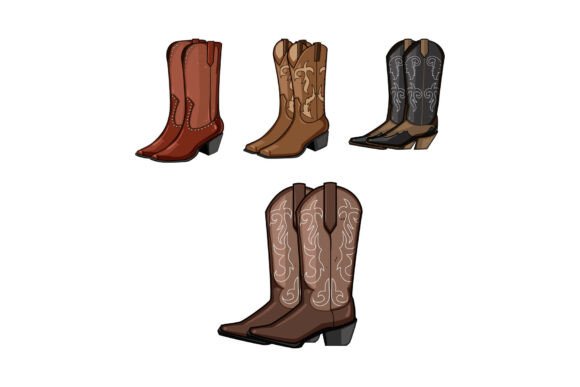
Before integrating Different Pairs of Classic Western Boots into your rotation, it is essential to understand the specific attributes that define this category. Unlike casual sneakers or standard dress shoes, western boots are engineered with distinct structural elements. The pointed toe design offers a streamlined silhouette that elongates the leg, while the high shaft provides ankle support and protection. The intricate decorative stitching is not merely ornamental; historically, it reinforced stress points on the leather, and today, it serves as a marker of craftsmanship and style.
The color palette plays a critical role in versatility. A strategic collection includes earth tones like tan and brown for rugged utility, deep blacks for formal occasions, and perhaps a pair with distinctive colors such as burgundy or cognac to add visual interest to neutral outfits. Understanding these variables allows you to treat each pair as a specific tool designed for a particular environment or task within your broader lifestyle ecosystem.
Strategic Planning: Pre-Purchase Analysis and Workflow Integration
Acquiring Different Pairs of Classic Western Boots should be approached with the same rigor as selecting software for a business project or equipment for a production line. The process begins with an audit of your current needs. Consider the environments you frequent most often. Do you spend hours standing in a workshop? Are you commuting through urban centers? Or do you require footwear that transitions seamlessly from a client meeting to a casual networking event?
This pre-purchase analysis helps determine the necessary quantity and variety. A single pair may suffice for a hobbyist, but a professional might benefit from a rotation of three to four pairs to manage wear and tear effectively. By planning ahead, you ensure that your investment aligns with your long-term goals. For instance, a marketer attending outdoor events might prioritize durability and weather resistance, while a blogger focused on fashion photography might prioritize the visual impact of the stitching and unique colorways.
Key Factors for Selection
- Material Quality: Full-grain leather offers longevity and develops a patina over time, enhancing its aesthetic value.
- Sole Construction: Choose between traditional leather soles for indoor elegance and rubber composite soles for traction and all-day comfort.
- Fit and Comfort: Ensure the pointed toe accommodates your foot shape without causing pressure points during extended wear.
- Stitching Detail: Evaluate the complexity of the decorative stitching to ensure it matches the formality level of your intended use cases.
Implementation: Integrating Boots into Daily Routines
Once the acquisition phase is complete, the focus shifts to implementation. How do Different Pairs of Classic Western Boots function within your daily workflow? The key lies in organization and compatibility. Just as a well-organized digital file system improves productivity, a structured footwear rotation ensures you always have the right option available.
Consider the "capsule wardrobe" methodology. Select a core pair of neutral-colored boots with classic stitching to serve as your primary workhorse. These should be compatible with 80% of your attire, from denim to chinos and tailored trousers. Then, introduce secondary pairs with more distinctive colors or elaborate stitching patterns for specific projects or events. This approach minimizes decision fatigue in the morning, allowing you to focus your cognitive resources on high-value tasks rather than outfit coordination.
In a business context, the right pair of boots can act as a conversation starter or a subtle signal of attention to detail. When meeting clients or presenting at conferences, wearing a pair with clean lines and impeccable stitching demonstrates a commitment to quality. Conversely, during brainstorming sessions or creative workshops, a more rugged pair with visible wear can foster a relaxed, collaborative atmosphere. The boots become part of the environmental cues that shape the tone of your interactions.
Maintenance and Long-Term Value Management
The lifecycle of Different Pairs of Classic Western Boots extends far beyond the initial purchase. Proper maintenance is a critical component of the overall process, directly impacting the return on investment. High-quality leather requires regular care to prevent cracking, fading, and structural degradation. Establishing a maintenance schedule is akin to performing routine updates on critical software; it prevents major failures and ensures consistent performance.
A practical maintenance workflow includes:
- Cleaning: Remove dirt and dust after every use to prevent abrasion on the leather surface.
- Conditioning: Apply leather conditioner monthly to keep the material supple and resistant to moisture.
- Polishing: Use appropriate polishes to restore shine and protect the decorative stitching from fraying.
- Storage: Utilize boot trees to maintain the shape of the shaft and pointed toe when not in use.
By adhering to this regimen, you extend the usable life of the boots, ensuring they remain a viable asset for years. Furthermore, well-maintained boots retain their resale value, offering a financial buffer if you decide to rotate your collection later. This aspect of ownership transforms the boots from a consumable expense into a durable capital asset.
Optimizing Compatibility with Other Assets
Effective integration of Different Pairs of Classic Western Boots also involves understanding how they interact with other wardrobe elements and lifestyle assets. The pointed toe and high shaft create a specific visual profile that must be balanced with clothing cuts. Slim-fit jeans tucked into the shaft highlight the boot's design, while wider-leg trousers may obscure the intricate stitching. Experimentation is necessary to find the optimal combination that suits your body type and professional image.
Additionally, consider the seasonal context. While western boots are often associated with cooler weather, lighter materials and breathable linings make them suitable for spring and autumn. In summer, pairing them with shorts or lightweight fabrics can create a bold, modern look that stands out in creative industries. Understanding these seasonal nuances allows for year-round utilization, maximizing the utility of each pair.
Conclusion: Elevating Personal Brand Through Process
The journey of curating and utilizing Different Pairs of Classic Western Boots is a testament to the power of intentional planning and execution. By treating these items as functional assets rather than mere accessories, you enhance your personal brand and streamline your daily routine. The distinctive colors, pointed toes, and intricate decorative stitching offer endless possibilities for expression, provided they are managed with a clear strategy.
Whether you are a freelancer building a reputation, an entrepreneur leading a team, or a creator seeking inspiration, the right pair of boots can anchor your style and boost your confidence. Embrace the process of selection, integration, and maintenance to ensure that your footwear collection supports your goals and reflects the highest standards of quality and professionalism. With careful management, Different Pairs of Classic Western Boots become an enduring element of your success story.