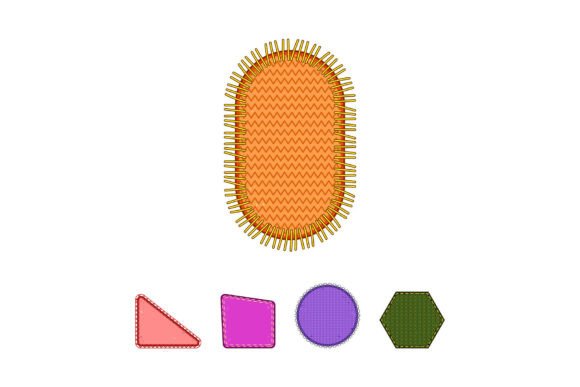
Different Fabric Patches with Various Shapes
In the world of textile design and sustainable fashion, few elements offer as much creative freedom and practical utility as fabric patches. These small yet powerful additions transform simple garments into statement pieces while extending the life of worn clothing. When we explore Different Fabric Patches with Various Shapes, we are looking at a versatile toolkit that bridges the gap between functional mending and high-concept artistry. From geometric precision to organic, freeform silhouettes, these patches allow creators to dictate the narrative of their projects.
The appeal lies in the diversity of form and texture. A circular patch offers a soft, approachable aesthetic suitable for casual denim or children's wear, while a sharp hexagon or star shape introduces structure and modernity. By combining various shapes with colorful fabrics, designers can create visual rhythm and balance on a garment. This is not merely about covering a hole; it is about reimagining the surface of the cloth as a canvas for expression. Whether you are a hobbyist repairing a favorite jacket or a professional designer launching a new collection, understanding how to utilize these varied forms is essential for impactful results.
The Intersection of Form and Function
Fabric patches serve a dual purpose: they repair damage and enhance aesthetics. Historically, mending was purely utilitarian, often invisible or matched closely to the original fabric. Today, the philosophy has shifted toward visible mending, where the repair becomes a feature rather than a flaw. Different Fabric Patches with Various Shapes play a central role in this movement. The shape of the patch dictates how the eye travels across the garment. A long, rectangular patch might guide the gaze horizontally, creating an illusion of width, whereas a vertical teardrop shape can elongate the silhouette.
Texture adds another layer of depth to this dynamic. Imagine a smooth satin patch sewn onto rough denim, or a chunky wool appliqué layered over a crisp cotton shirt. The contrast in material weight and finish creates tactile interest that invites touch. Decorative stitching further elevates these elements. Techniques like running stitch, blanket stitch, or even machine embroidery around the perimeter of the patch define its boundaries and add a handcrafted feel. This attention to detail signals quality and intentionality, turning a simple repair into a piece of wearable art.
Exploring Creative Possibilities and Styles
The creative potential of fabric patches is limited only by imagination. For those interested in bold statements, oversized patches in irregular shapes can dominate a garment. Consider a large, asymmetrical blob of neon fabric placed strategically on the shoulder of a black coat. This approach draws immediate attention and establishes a unique personal style. Conversely, subtle applications involve smaller, uniform shapes scattered across a surface to create a pattern. Small stars, circles, or squares arranged in a grid can mimic traditional prints but with the added dimension of raised texture.
Color theory also plays a vital role when working with Different Fabric Patches with Various Shapes. Complementary colors create vibrant energy, making the patch pop against the base fabric. Analogous color schemes offer a more harmonious, sophisticated look, blending the patch seamlessly while still providing textural variation. Monochromatic approaches rely entirely on shape and texture to create interest, using different shades of the same hue to build depth without overwhelming the viewer.
- Geometric Precision: Use triangles, squares, and hexagons for a structured, architectural look ideal for modern streetwear.
- Organic Flow: Opt for clouds, leaves, or fluid blobs to soften the lines of rigid garments like blazers or trench coats.
- Cultural Motifs: Incorporate shapes inspired by heritage patterns, such as mandalas or tribal symbols, to tell a story through design.
- Abstract Expressionism: Layer multiple irregular shapes to create a collage effect that feels spontaneous and artistic.
Practical Applications for Diverse Audiences
The versatility of fabric patches makes them accessible to a wide range of users, from educators teaching sewing skills to entrepreneurs building a brand. For educators, patches provide an excellent medium for teaching geometry, color theory, and fine motor skills. Students can cut specific shapes and learn about symmetry and balance while creating something tangible and useful. It transforms abstract concepts into hands-on learning experiences.
Hobbyists and freelancers often use patches to personalize mass-produced items, giving them a unique identity. A plain tote bag becomes a conversation starter with a few well-placed, colorful patches. This customization extends the emotional connection to the item, encouraging people to keep and cherish their belongings longer. For small business owners and marketers, patches offer a cost-effective way to produce merchandise. Unlike full apparel production, which requires significant inventory investment, patches can be produced in smaller batches and sold as DIY kits or applied to existing stock to create limited-edition drops.
Designers and bloggers can leverage these elements to showcase trends or document processes. A blog post detailing the creation of a "patchwork journey" can engage audiences interested in sustainability and slow fashion. By sharing tutorials on how to select and apply Different Fabric Patches with Various Shapes, content creators provide value while inspiring their community to try similar projects. The visual nature of the work translates perfectly to social media platforms, where before-and-after photos perform exceptionally well.
Adapting for Different Goals and Contexts
To ensure your project resonates with your intended audience, consider the context in which the garment will be worn. Professional settings may call for more restrained applications—perhaps a single, tasteful patch on the cuff of a blazer or the pocket of trousers. Here, the focus should be on subtlety and refinement. In contrast, festival wear or youth culture fashion encourages experimentation. Bold clashing colors and chaotic arrangements of shapes are not just acceptable; they are expected.
When adapting these ideas for digital formats, such as e-commerce product descriptions or online portfolios, clarity is key. High-quality images showing the texture and stitching details are crucial. Explain the materials used and the inspiration behind the shape choices. This transparency builds trust and demonstrates expertise, aligning with principles of helpful content. Whether you are selling a finished product or offering a tutorial, providing clear guidance on how to care for the patches ensures longevity and customer satisfaction.
Maintaining Consistency and Quality
While creativity is paramount, maintaining a level of consistency ensures that the final result looks intentional rather than haphazard. If you are creating a series of patches or applying them to a collection of garments, establish a cohesive rule set. Decide on a palette of three to five colors and stick to them. Choose a limited selection of shapes that complement each other. This restraint allows the individual elements to shine without creating visual noise.
Technical execution is equally important. Ensure that the edges of the patches are finished properly to prevent fraying. Whether using a serger, pinking shears, or a folded hem, clean edges contribute to a professional finish. The choice of thread should either match the patch for a seamless look or contrast sharply for decorative emphasis. Strong, secure stitching is non-negotiable, especially for items that will undergo frequent washing and wear.
Finally, remember that the goal is to enhance the garment, not overwhelm it. Balance is achieved by leaving negative space. Not every inch needs to be covered. Allow the base fabric to breathe and let the patches act as focal points. By thoughtfully integrating Different Fabric Patches with Various Shapes, you create designs that are not only visually striking but also deeply personal and enduring. This approach fosters a deeper appreciation for the craft of sewing and the stories our clothes can tell.