Colorful Tropical Marine and Freshwater Fish: A Practical Evaluation
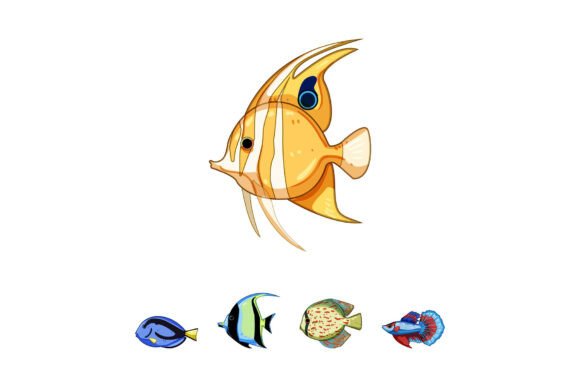
The allure of aquatic life has captivated hobbyists for decades, driving a global interest in maintaining vibrant underwater ecosystems. When evaluating Colorful Tropical Marine and Freshwater options, potential owners are often presented with a stunning array of illustrations featuring species like the moorish idol, royal blue tang, discus, and betta. These images, frequently isolated on a clean white background to highlight their vivid patterns, serve as an initial introduction to the diversity available. However, moving from admiring these illustrations to establishing a living aquarium requires a balanced assessment of biological needs, environmental constraints, and long-term commitment.
Understanding the Scope of Colorful Tropical Marine and Freshwater
Colorful Tropical Marine and Freshwater refers to two distinct categories of aquatic pets that thrive in warm, stable environments but differ significantly in their physiological requirements. The marine sector encompasses saltwater species derived from coral reefs, such as the royal blue tang and the moorish idol. These fish rely on complex water chemistry, specific salinity levels, and often require live rock or specialized filtration to mimic their natural habitats. Conversely, freshwater tropicals inhabit rivers, lakes, and streams. This category includes the discus, known for its round shape and intricate coloration, and the betta, famous for its flowing fins and territorial nature.
While illustrations may present these fish side-by-side due to their visual appeal, their care profiles are worlds apart. Understanding this distinction is the first step in determining whether a specific type of aquarium aligns with your resources and goals. The decision to pursue marine or freshwater setups dictates the equipment needed, the cost of maintenance, and the level of expertise required to keep the animals healthy.
Reasons for Interest in Tropical Aquariums
Several factors drive individuals to explore Colorful Tropical Marine and Freshwater keeping. One primary motivation is aesthetic appreciation. The visual impact of a well-maintained tank, filled with species like the iridescent discus or the electric blue of a royal blue tang, provides a dynamic focal point for any room. Unlike static art, a living aquarium offers movement and behavior that can be engaging and calming.
Beyond aesthetics, many hobbyists are drawn to the educational value. Observing the interactions between different species, the feeding behaviors of a moorish idol, or the breeding displays of a betta offers insight into marine biology and ecology. Furthermore, the process of maintaining water quality and balancing ecosystems fosters patience and technical skill. For some, the aquarium serves as a sanctuary, providing a sense of tranquility and a connection to nature within a domestic setting.
Benefits, Tradeoffs, and Considerations
Evaluating the viability of an aquarium involves weighing significant benefits against inherent tradeoffs. The primary benefit of Colorful Tropical Marine and Freshwater systems is the psychological boost they provide. Studies suggest that watching fish can lower stress levels and reduce blood pressure. Additionally, successful aquascaping allows for creative expression through the arrangement of plants, rocks, and hardscape elements.
However, the tradeoffs are substantial, particularly regarding time and financial investment. Saltwater systems, which house species like the royal blue tang and moorish idol, are notoriously sensitive to fluctuations in water parameters. They require expensive equipment such as protein skimmers, high-quality lighting, and precise dosing of trace elements. The initial setup cost for a marine tank can be three to five times higher than a comparable freshwater system.
Freshwater options, while generally more forgiving, still demand diligence. Discus fish, for example, are highly sensitive to water quality and require pristine conditions and specialized diets. Bettas, though hardy, need individual tanks due to their aggressive nature toward other males. The expectation must be clear: these are not low-maintenance decorations. They are living organisms that require daily monitoring, weekly water changes, and a deep understanding of the nitrogen cycle.
Key Factors for Decision Making
- Experience Level: Beginners may find success with hardy freshwater species before attempting marine setups.
- Budget: Calculate both initial costs (tank, equipment, livestock) and ongoing expenses (food, electricity, test kits).
- Space and Lighting: Ensure the location can support the weight of the water and accommodate necessary lighting cycles.
- Time Commitment: Assess availability for regular maintenance tasks and emergency response if equipment fails.
Situations Where Tropical Aquariums Are a Strong Fit
A Colorful Tropical Marine and Freshwater aquarium is a strong fit for individuals who possess a genuine interest in biology and enjoy hands-on projects. It suits those who have dedicated space in their home where a tank can remain undisturbed by temperature swings or direct sunlight. Families looking for a shared responsibility can also benefit, provided there is a designated adult responsible for the technical aspects of maintenance.
Furthermore, these systems are ideal for those seeking a long-term hobby rather than a temporary trend. The lifespan of many tropical fish ranges from several years to over a decade. If you are prepared to commit to the lifecycle of the animals and the gradual evolution of the ecosystem, a tropical aquarium can be deeply rewarding. Enthusiasts who enjoy researching species-specific needs, such as the specific diet of a moorish idol or the pH preferences of a discus, will find the learning curve satisfying rather than frustrating.
When Alternatives May Be Worth Considering
Despite their beauty, Colorful Tropical Marine and Freshwater systems are not suitable for everyone. Individuals with unpredictable schedules, frequent travel, or limited financial flexibility should consider alternatives. The inability to perform daily checks or respond quickly to equipment failures can lead to rapid loss of livestock, causing emotional distress and financial loss.
For those seeking a lower-maintenance option, coldwater aquariums housing goldfish or koi might be more appropriate, although they still require significant space and filtration. Alternatively, artificial aquariums—high-definition digital screens displaying realistic footage of marine life—offer the visual benefits without the biological risks. These screens can display the same vivid imagery of a royal blue tang or betta found in illustrations, isolated against a clean background, without the need for water testing or feeding.
If the primary goal is simply decoration without the desire to engage in husbandry, investing in a live tank may result in frustration. The complexity of maintaining a reef environment or the specific needs of sensitive freshwater species like the discus often outweigh the aesthetic payoff for casual observers.
Practical Insights for Selection
To determine if Colorful Tropical Marine and Freshwater aligns with your goals, start by defining your boundaries. Do you want the challenge of a saltwater reef with its intricate balance, or the accessibility of a freshwater community? Research specific species thoroughly before purchasing. Avoid buying fish based solely on how they look in a catalog or illustration; instead, investigate their adult size, temperament, and compatibility.
Consider starting small. A single-species tank, such as one housing a betta or a few hardy tetras, allows you to learn the fundamentals of water chemistry without the pressure of a complex ecosystem. As your confidence grows, you can expand to more demanding species like the moorish idol or discus. Always prioritize the health of the fish over the immediate desire for a full tank. A successful aquarium is built on stability, not just color.
Ultimately, the decision to keep tropical fish should be driven by a willingness to learn and a respect for the life forms involved. Whether you choose the vibrant depths of the ocean or the tranquil waters of a river, the journey requires dedication. By carefully evaluating your situation against the needs of the fish, you can create a thriving environment that brings lasting enjoyment.